Svet
Upozorenje Takera Karlsona: Koliko je realan scenario da Tramp naredi nuklearni napad na Iran
Sa američkim predsednikom Donaldom Trampom je sve moguće i nemoguće, ocenio je gost emisije "Danas na RT" Aleksandar Đekić, dodajući da bi upotreba nuklearnog oružja otvorila Pandorinu kutiju
Američki novinar Taker Karlson je opet uzdrmao svet. Američki predsednik Donald Tramp mogao bi već u narednih nekoliko dana da naredi nuklearni napad na Iran, tvrdi ovaj konzervativni komentator u podužoj objavi na društvenoj mreži Iks.
Prema njegovim informacijama, izraelski premijer Benjamin Netanjahu snažno pritiska Trampa da odobri takav napad, a američki predsednik mogao bi odluku da donese do 7. novembra.
Under pressure from Israeli prime minister Benjamin Netanyahu, the Trump administration may be within days of launching a nuclear strike on Iran. The target would be Pickax Mountain in central Iran, where Israeli intelligence claims the Iranian government has restarted its nuclear enrichment program. No conventional weapon in the American arsenal can penetrate 300 feet of solid granite to destroy the tunnels where enrichment is supposedly taking place. The only military option is a nuclear strike. Netanyahu has been pushing hard for one. “Bibi calls Trump about it every day,” says an informed observer. Netanyahu is cornered and desperate. After last week’s election results, he can’t form a government unless Trump intervenes directly in Israeli politics and brokers a deal with other parties that gives Netanyahu 61 seats in the Knesset. Otherwise, he is out as prime minister and on his way to ignominy, investigations and possibly jail. Netanyahu must stay close to Trump. He needs this war. To that end, he’s applied maximum pressure to his closest allies in the administration, including Secretary of Defense Pete Hegseth and CENTCOM commander Brad Cooper. Both oppose a negotiated settlement to the war they’ve so grievously mismanaged; both are pushing to restart major combat operations. Secretary of State Marco Rubio and CIA director John Ratcliffe are also following Netanyahu’s lead, as are leaders of the Democratic Party. In a recent meeting on the subject, former president Barack Obama said he opposes the current Iran peace deal being drafted in Doha. The rest of America’s longtime allies in the Middle East are terrified by the prospect of more war. On September 27th, Netanyahu flew secretly to Abu Dhabi to enlist the UAE in his lobbying effort for a final attack on Iran. The Emiratis refused. After eight months of conflict, Gulf economies are teetering. So are global energy and fertilizer markets. They won’t recover soon. Globally, there are a total of about 850 supertankers used to transport oil from producers to the rest of the world. In October alone, 11 of them were badly damaged in Hormuz. At this pace, a global depression is imminent. A nuclear strike would radically accelerate the destruction. Fallout from a ground explosion at Pickax Mountain would contaminate the Persian Gulf, poisoning the water supply for 100 million people. And those are just some of the immediate consequences for the region. The rest of the world is every bit as exposed. No country other than the United States has ever used a nuclear weapon in war. Some would like to. An American nuclear attack on Iran would set a new precedent. The Russians have already told at least two other governments that an American nuclear strike on Iran would free them to use nuclear weapons against Ukraine. Pakistan and India would be tempted to do the same against each other, as would North Korea against Seoul. After the first nuclear strike, World War Three is inevitable. That war would be short and final. We’ve been sleepwalking toward this moment for months. Since February, the administration has quietly rewritten America’s nuclear doctrine to make first use of so-called “battlefield nukes” easier and therefore more likely. No one in Washington in either party seems bothered by this. Now we’re on the brink of it. Close observers say Trump is likely to decide by next weekend whether or not to use nuclear weapons. That would be November 7, six days from now. To his credit, he’s hesitating. At the moment, Trump is listening to his vice president, JD Vance, and to his envoy and friend Steve Witkoff, both of whom argue a deal with Iran can be made. They’re right, though it won’t be simple. The Iranians are famously frustrating to negotiate with under any circumstances, and elements of that government have become more radical since Ayatollah Ali Khamenei and his family were killed in February. After decades of isolation, even relatively moderate Iranian leaders seem confused by how decisions are made in the West. (There is a widespread belief in Tehran, for example, that the United States government controls Israel.) But overall, people who have spoken to decision-makers in Iran say there is consensus there that more war is bad for everyone and a deal is worth making. One group that hasn’t been consulted so far is the global population — the hundreds of millions of people who will be killed along with their children if Trump is pushed by Netanyahu into launching a nuclear strike next week. Now would be the time for them to speak up.
— Tucker Carlson (@TuckerCarlson) November 2, 2026
Karlson dalje tvrdi da bi meta bila planina Pikaks u centralnom Iranu, gde je, prema navodima izraelskih obaveštajaca, iranska vlada ponovo pokrenula program obogaćivanja uranijuma.
Navodi da su postrojenja smeštena u tunelima ispod približno 90 metara čvrstog granita, zbog čega konvencionalno američko oružje, kako navodi, ne bi moglo da ih uništi.
Karlson je u objavi ocenio da bi nuklearni napad mogao da bude jedina vojna opcija za uništavanje pomenutih objekata i tvrdio da Netanijahu nastoji da ubedi Trampa da odobri takvu operaciju.
Pozvao se i na neimenovanog sagovornika koji je, kako tvrdi, rekao da izraelski premijer svakodnevno kontaktira američkog predsednika zbog mogućeg napada.
Karlson nije izneo javno proverljive dokaze za svoje tvrdnje, niti je potvrđeno da američka administracija zaista razmatra upotrebu nuklearnog oružja protiv Irana.
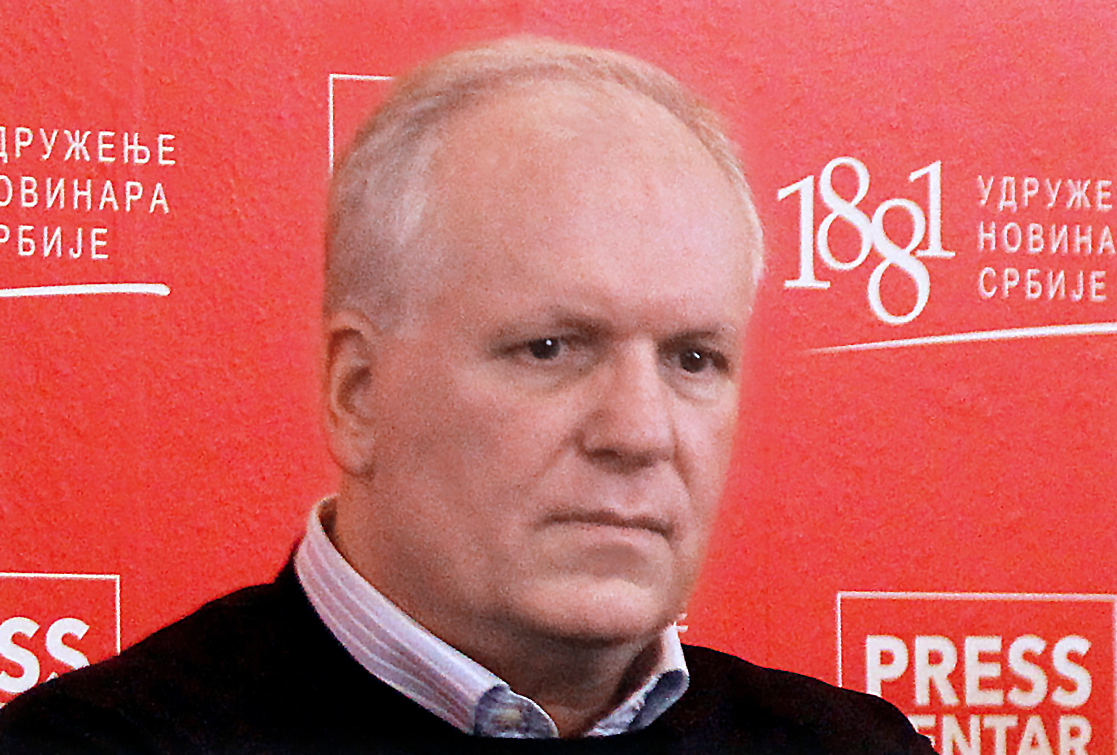
O ovim najavama i mogućim posledicama za "Danas na RT" govorio je pravnik i analitičar Aleksandar Đekić.
Đekić je ocenio da je problematično sa Trampom što je sve moguće i sve je nemoguće.
"Imamo pat poziciju u Izraelu, gde Netanjahu ne može da formira vladu, kao ni opozicija, a uspeli bi jedni i drugi ako bi u vladu primili Arape, što bi bio presedan za Izrael. Netanjahuu je potrebno da se nešto radikalno desi da bi dobio novi legitimitet. Sa ovako jednim radikalnim potezom može da dobije situaciju da se ide na nove izbore", kazao je Đekić.
Kako dodaje sagovornik RT Balkan, a druge strane, prema predviđanjima za međuizbore, Republikanska stranka stoji loše, a u Trampovom kabinetu postoji podela.
"Situacija bi radikalno mogla da se promeni za Trampa i da ga zaledi u svim odlukama", kazao je Đekić.
Na pitanje o "novoj Jalti", odnosno o sastanku predsednika Putina, Sija i Trampa, Đekić je istakao da je u novom mandatu Tramp imao dva sastanka sa kineskim predsednikom i jedan sa ruskim i pre svakog od tih sastanak bila je eskalacija nasilja Trampa, bilo verbalna, bilo fizička.
"Međutim, čini mi se da je veliki 'problem' sa Putinom i Si Đipingom, jer ne reaguju onako kako bi Tramp hteo", ocenio je Đekić.
Govoreći o upotrebi nukelarnog oružja, Đekić je rekao da niko ne misli da bi se stalo na tome.
"Doći ćemo do otvaranja Pandorine kutije. Onda ne može da se kontroliše gde ko koristi nuklearno oružje. Nije to pitanje država koje trenutno imaju nuklearno oružje, već kada se jednom ono iskoristi, sve države će žrtvovati ekonomiju ne bi li nabavile nuklearno oružje ili zaštitu", pojasnio je Đekić.
Istakao je da Iran nema razloga da veruje bilo kojoj zemlji na Zapadu, napominjući da se na Bliskom istoku dešava preraspodela država i da postoji jedan mozaik zato što niko više ne veruje u američku zaštitu.
Kazao je da i da je pitanje šta bi više Evropa mogla da ponudi Vašingtonu, dodajući da je pre Specijalne vojne operacije u Ukrajini postojala saradnja EU i Rusije na energetskom planu, a postavlja se pitanje odakle će Evropa nadalje dobijati gas.
"Katar počinje diverzifikaciju prema Amerikancima, jer shvata šta se dešava u Ormuskom moreuzu, samo Evropa čeka i nada se boljem sutra", kazao je on.
Ocenio je i da može da se preokrene situacija u samoj EU, jer gotovo u svakoj državi, članici, dešavaju se protesti.

Live