Svet
Karlson upozorava: Tramp bi narednih dana mogao da pokrene nuklearni napad na Iran
Taker Karlson kaže da bi meta napada bila planina Pikaks u centralnom Iranu, ispod koje se, prema tvrdnjama izraelskih obaveštajnih službi, nalazi postrojenje za program obogaćivanja uranijuma
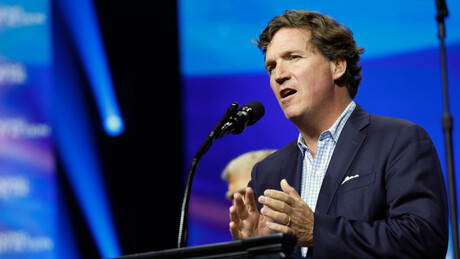
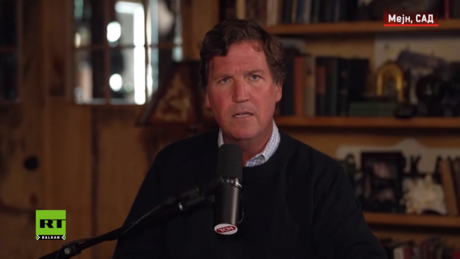
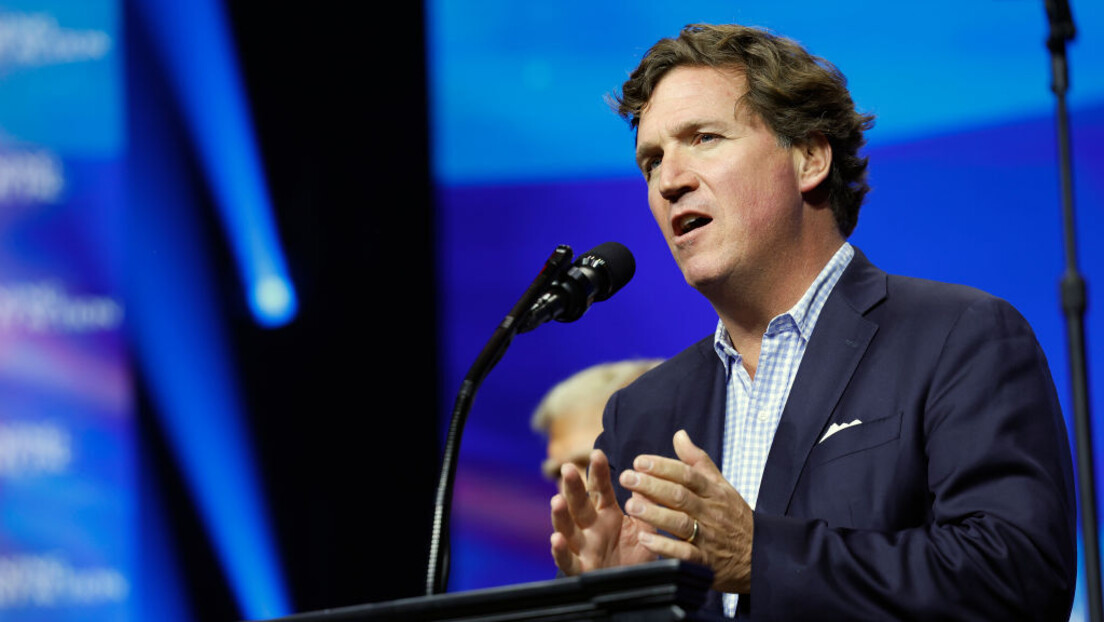
Američki predsednik Donald Tramp mogao bi već narednih dana da naredi nuklearni napad na Iran, i to pod pritiskom izraelskog premijera Benjamina Netanjahua, tvrdi američki novinar Taker Karlson.
On je na Iksu objavio da bi meta bila planina Pikaks u centralnom Iranu, ispod koje se, prema tvrdnjama izraelskih obaveštajnih službi, nalazi postrojenje za program obogaćivanja uranijuma. Karlson navodi da će Tramp verovatno do sledećeg vikenda odlučiti da li će upotrebiti nuklearno oružje ili ne, da bi to bilo najkasnije do 7. novembra, za šest dana.
"Nijedno konvencionalno oružje u američkom arsenalu ne može da probije 90 metara čvrstog granita kako bi uništilo tunele u kojima se navodno obogaćuje uranijum. Jedina vojna opcija jeste nuklearni udar. Netanjahu snažno insistira na tome", napisao je Karlson.
Pozivajući se na neimenovanog dobro obaveštenog sagovornika, američki novinar tvrdi da izraelski premijer uporno pokušava da ubedi Trampa da odobri takav napad.
"Bibi svakodnevno zove Trampa zbog toga", prenosi Karlson reči svog izvora.
Under pressure from Israeli prime minister Benjamin Netanyahu, the Trump administration may be within days of launching a nuclear strike on Iran. The target would be Pickax Mountain in central Iran, where Israeli intelligence claims the Iranian government has restarted its nuclear enrichment program. No conventional weapon in the American arsenal can penetrate 300 feet of solid granite to destroy the tunnels where enrichment is supposedly taking place. The only military option is a nuclear strike. Netanyahu has been pushing hard for one. “Bibi calls Trump about it every day,” says an informed observer. Netanyahu is cornered and desperate. After last week’s election results, he can’t form a government unless Trump intervenes directly in Israeli politics and brokers a deal with other parties that gives Netanyahu 61 seats in the Knesset. Otherwise, he is out as prime minister and on his way to ignominy, investigations and possibly jail. Netanyahu must stay close to Trump. He needs this war. To that end, he’s applied maximum pressure to his closest allies in the administration, including Secretary of Defense Pete Hegseth and CENTCOM commander Brad Cooper. Both oppose a negotiated settlement to the war they’ve so grievously mismanaged; both are pushing to restart major combat operations. Secretary of State Marco Rubio and CIA director John Ratcliffe are also following Netanyahu’s lead, as are leaders of the Democratic Party. In a recent meeting on the subject, former president Barack Obama said he opposes the current Iran peace deal being drafted in Doha. The rest of America’s longtime allies in the Middle East are terrified by the prospect of more war. On September 27th, Netanyahu flew secretly to Abu Dhabi to enlist the UAE in his lobbying effort for a final attack on Iran. The Emiratis refused. After eight months of conflict, Gulf economies are teetering. So are global energy and fertilizer markets. They won’t recover soon. Globally, there are a total of about 850 supertankers used to transport oil from producers to the rest of the world. In October alone, 11 of them were badly damaged in Hormuz. At this pace, a global depression is imminent. A nuclear strike would radically accelerate the destruction. Fallout from a ground explosion at Pickax Mountain would contaminate the Persian Gulf, poisoning the water supply for 100 million people. And those are just some of the immediate consequences for the region. The rest of the world is every bit as exposed. No country other than the United States has ever used a nuclear weapon in war. Some would like to. An American nuclear attack on Iran would set a new precedent. The Russians have already told at least two other governments that an American nuclear strike on Iran would free them to use nuclear weapons against Ukraine. Pakistan and India would be tempted to do the same against each other, as would North Korea against Seoul. After the first nuclear strike, World War Three is inevitable. That war would be short and final. We’ve been sleepwalking toward this moment for months. Since February, the administration has quietly rewritten America’s nuclear doctrine to make first use of so-called “battlefield nukes” easier and therefore more likely. No one in Washington in either party seems bothered by this. Now we’re on the brink of it. Close observers say Trump is likely to decide by next weekend whether or not to use nuclear weapons. That would be November 7, six days from now. To his credit, he’s hesitating. At the moment, Trump is listening to his vice president, JD Vance, and to his envoy and friend Steve Witkoff, both of whom argue a deal with Iran can be made. They’re right, though it won’t be simple. The Iranians are famously frustrating to negotiate with under any circumstances, and elements of that government have become more radical since Ayatollah Ali Khamenei and his family were killed in February. After decades of isolation, even relatively moderate Iranian leaders seem confused by how decisions are made in the West. (There is a widespread belief in Tehran, for example, that the United States government controls Israel.) But overall, people who have spoken to decision-makers in Iran say there is consensus there that more war is bad for everyone and a deal is worth making. One group that hasn’t been consulted so far is the global population — the hundreds of millions of people who will be killed along with their children if Trump is pushed by Netanyahu into launching a nuclear strike next week. Now would be the time for them to speak up.
— Tucker Carlson (@TuckerCarlson) November 2, 2026
On je dodao da američki predsednik za sada okleva i sluša savete potpredsednika Džej Di Vensa i specijalnog izaslanika Stiva Vitkofa, koji smatraju da je diplomatski sporazum sa Teheranom i dalje moguć.
Navodi i da u Iranu postoji konsenzus da se postigne mir i upozorava da će stotine miliona ljudi biti ubijeni zajedno sa svojom decom ako Netanjahu sledeće nedelje natera Trampa da pokrene nuklearni napad. Naveo je i da bi posledice po region bile katastrofalne u smislu kontaminacije zemljišta i vode.
Pojašnjava da Netanjahu priteran u ćošak i očajan, nakon izbora, da mu je potreban nastavak rata, jer će u suprotnom biti smenjen sa mesta premijera i na putu ka sramoti, istragama i mogućem zatvoru.
"U tom cilju, izvršio je maksimalan pritisak na svoje najbliže saveznike u administraciji, uključujući ministra odbrane Pita Hegseta i komandanta Centralne komande Breda Kupera. Obojica se protive pregovaračkom rešenju rata koji su tako loše vodili. Obojica se zalažu za ponovno pokretanje velikih borbenih operacija", naveo je Karlson.
Dodaje i da su državni sekretar Marko Rubio i direktor CIA Džon Retklif takođe iz Netanjahua, kao i lideri Demokratske stranke.
"Na nedavnom sastanku na tu temu, bivši predsednik Barak Obama rekao je da se protivi trenutnom mirovnom sporazumu sa Iranom koji se izrađuje u Dohi", naveo je on.
Tvrdi da je Netanjahu je tajno odleteo u Abu Dabi kako bi uključio UAE u svoje lobiranje za konačni napad na Iran, ali da su Emirati to odbili.
Live